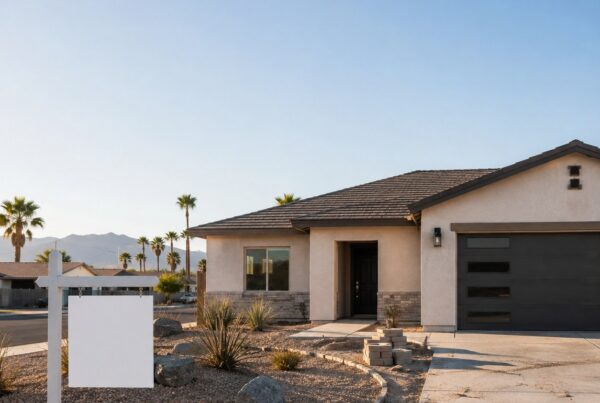

An investor called me last week ready to fund a loan on a house in Henderson. Good collateral, a strong borrower, numbers that penciled at about 65% loan-to-value. Then he asked the question that quietly decides everything: “It’s on a house, so doesn’t that make this a consumer mortgage?” Fair question. The answer surprised him, and it’s the single thing I wish more private lenders understood before they wire funds.
In Nevada, almost every trust deed and private-money loan is written as a business-purpose loan, which keeps it outside consumer mortgage rules like TILA and RESPA. Owner-occupied consumer loans are a different animal. They trigger federal ability-to-repay standards and licensing that most private lenders simply aren’t set up to carry.
It’s the purpose, not the property, that decides
The most expensive misunderstanding in this business is thinking the building tells you the rules. It doesn’t. What matters is why the borrower needs the money.
The test is use of proceeds. Under the Truth in Lending Act and its Regulation Z, a loan is a consumer loan when the money is used mainly for personal, family, or household purposes. When the money goes toward a business or commercial purpose, buying a rental, funding a flip, capitalizing a company, it’s business-purpose and falls outside most of those consumer rules.
So a loan secured by a house is not automatically a consumer mortgage. If my Henderson borrower is buying that home to renovate and resell, and he never intends to live in it, that’s business-purpose credit even though the collateral is a single-family residence. Flip it around: a cash-out loan someone takes on the home they actually live in, to pay off personal debt, is a consumer loan no matter how the paperwork reads.
What business-purpose status actually gets you
When a loan qualifies as business-purpose, it’s generally exempt from TILA and RESPA, the disclosure regimes built to protect consumers. That’s the real reason private money can close in a week while a bank takes 45 days. No Loan Estimate, no Closing Disclosure waiting periods, no consumer ability-to-repay analysis dictating the terms.
Two paths lead to the exemption. A loan made to an entity, an LLC or corporation rather than an individual, is treated as outside consumer coverage. And a loan whose proceeds are primarily for a business purpose qualifies regardless of who the borrower is. That’s a big part of why seasoned investors hold their deals in an LLC. It reinforces the business character of the loan and keeps the file clean.
The exemption is narrower than people think. Being exempt from TILA and RESPA is not being exempt from everything. Fair lending laws still apply. The Equal Credit Opportunity Act, the Fair Housing Act, and the Fair Credit Reporting Act all reach business-purpose loans, and you can still owe adverse-action notices. I’ve watched lenders treat “business-purpose” like a force field. It isn’t.
Why an owner-occupied loan changes everything
The moment a loan becomes a consumer mortgage on a home the borrower occupies, a much heavier framework switches on. TILA’s ability-to-repay and qualified-mortgage standards apply, RESPA disclosures apply, and for most private lenders the loan originator has to be licensed.
Here’s a line worth memorizing. If the owner expects to occupy the property more than about 14 days in the coming year, regulators lean toward treating the loan as consumer credit, unless the property has more than a couple of housing units. For most of the investors and funds I work with, owner-occupied consumer lending just isn’t the business. The compliance cost, the originator licensing, and the litigation exposure rarely justify the yield, so we route any consumer-purpose request to a licensed consumer lender and keep our own pipeline in business-purpose territory.
The Nevada licensing layer on top
Federal purpose rules are only half the picture. Nevada adds its own framework under NRS Chapter 645B, run by the Division of Mortgage Lending. The statute defines a “private investor” as a natural person investing their own money in a loan secured by real property, and it spells out when mortgage-company licensing, loan-originator licensing, and exemptions apply.
Some private-lending arrangements operate under a certificate of exemption. Others require full licensing. Which bucket you land in depends on how the money is raised, who originates the loan, and whether any consumer-purpose lending is in the mix. This is worth a real conversation with counsel before you build a lending program, not a guess after the fact.
The bottom line
The property doesn’t set the rules, the purpose does. Keep your deals business-purpose, document why the money is commercial, use the right borrower entity, and send consumer-purpose loans to someone licensed to make them. Do that consistently and you protect two things at once: the investor’s yield and your own standing if a loan ever gets questioned. My Henderson investor funded his deal, on an entity, with a clean business-purpose file, and slept fine.
Questions I get after this
My borrower wants to rent the property to a family member. Is that still business-purpose?
Usually yes, as long as it’s a genuine rental at arm’s length and the borrower isn’t the one occupying it. The renting-out itself is an investment activity, which is commercial in nature. Just document the rental intent and confirm the borrower doesn’t plan to move in, because occupancy by the borrower is what flips a loan toward consumer territory.
Does business-purpose status mean I can skip the appraisal or title work?
No, and you shouldn’t want to. The exemption is from consumer disclosure rules, not from prudent underwriting. Your appraisal, title policy, and lien position are what actually protect your principal if the deal goes sideways. Business-purpose speeds up the paperwork, it doesn’t remove the reasons you check the collateral.
Do I need a Nevada license to fund a single trust deed as a private investor?
It depends on how you’re operating. Nevada’s NRS 645B carves out a “private investor” who lends their own money, but the moment you’re originating for others, pooling funds, or making it a regular business, licensing questions get real. One-off investing and running a lending operation are treated very differently, so confirm your situation with the Division of Mortgage Lending or counsel before you scale up.
What happens if a loan gets labeled business-purpose but was really consumer?
That’s the scenario that keeps compliance folks up at night. If a regulator or a borrower’s attorney later recharacterizes the loan as consumer, you can face rescission rights, statutory penalties, and unwinding of the deal, retroactively. That’s exactly why the business-purpose statement, the entity structure, and a clear record of commercial intent matter so much on the front end.
Let’s pressure-test your next deal
Loan purpose looks like paperwork until it becomes the whole case. If you’re weighing a Nevada trust deed or a private-money loan and want a second set of eyes on how it’s structured, reach out through my contact page or call 702-595-1949 for a straight, no-pressure conversation. And if you want more like this, subscribe for the daily post and follow along on Instagram and LinkedIn.
Beau McDougall is Executive VP of Private Capital at All Western Mortgage, NMLS #2611909. This article is educational only and not investment, financial, or legal advice. All investments carry risk.